An independent voice for Indonesia's flora
Established 21 April 2001, Yayasan Kebun Raya Indonesia exists to keep the nation's living plant heritage from disappearing.
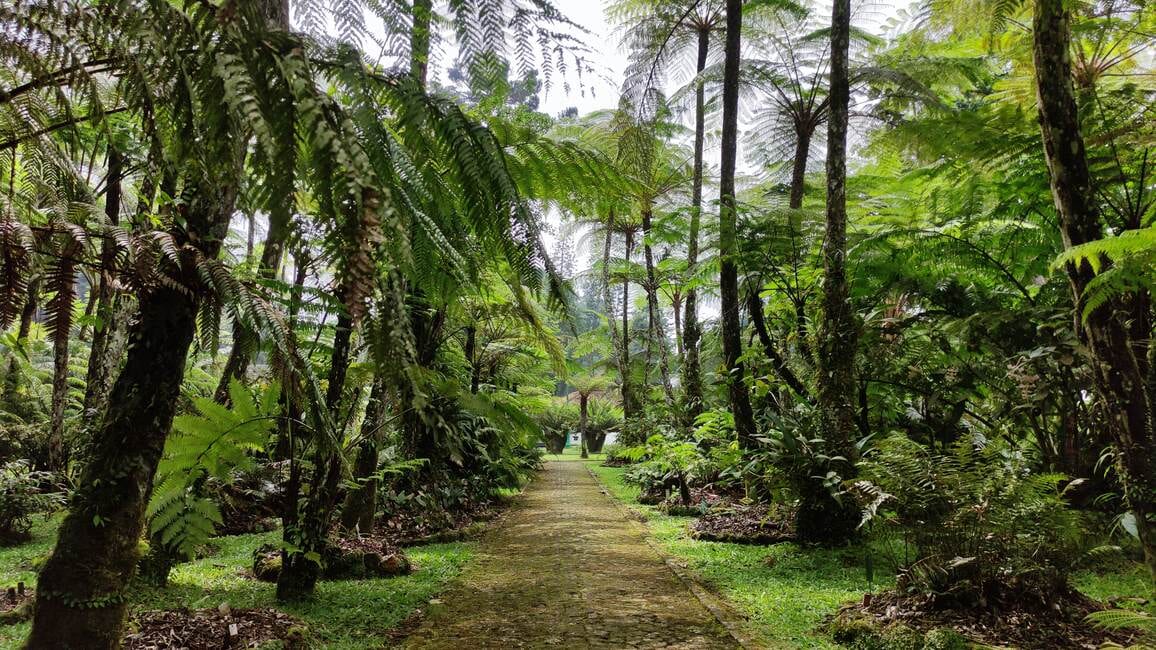
To build world-class botanical gardens in Indonesia, suited for conservation efforts and the regeneration of endangered plants.
To contribute to the preservation of endangered botanical species through the collaboration of all Botanical Gardens of Indonesia.
Five primary functions of Indonesia's botanical gardens
Each garden in our national network plays five interconnected roles in protecting and sharing Indonesia's plant heritage.
Conservation
Preserve the diversity of plants outside their natural habitat.
Research
Facilitate the potential exploration and development benefits of plants.
Education
Teach and provide information on environmentally friendly culture to build a community committed to the preservation of nature.
Recreation
Create an ideal tourist attraction site that is safe, and provides educational value and environmental awareness.
Environmental Services
Provide ecological impact to help ensure higher environmental quality.
A race against extinction
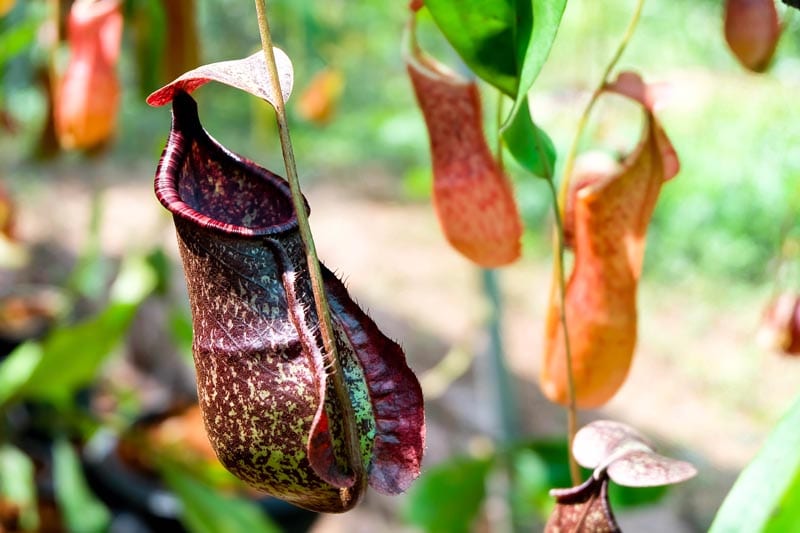
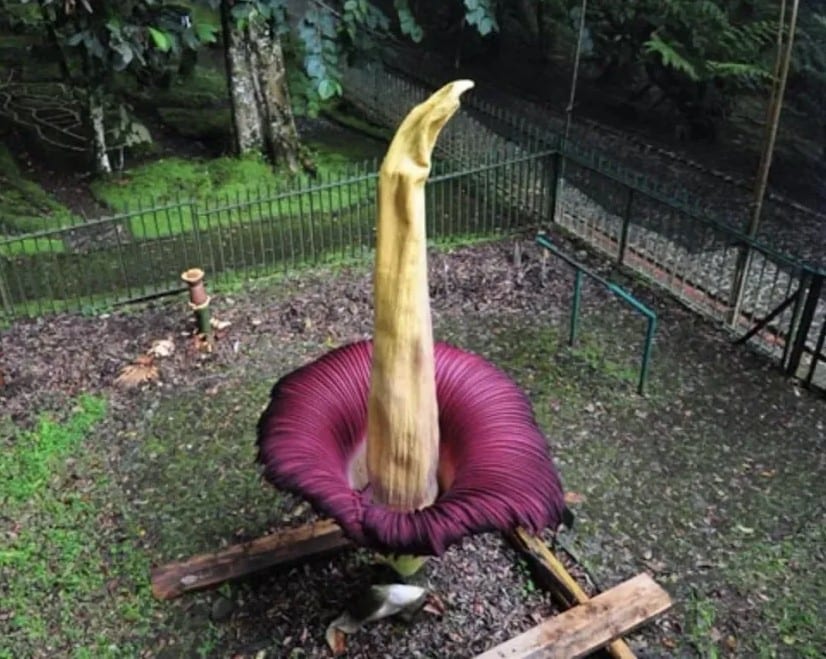
Indonesia is endowed with extraordinary plant diversity yet more than 590 species are already classified as endangered, or worse, extinct.
Many species are reduced at an alarming rate, vanishing faster than they can be studied, discovered and regenerated. YKRI was established to meet these challenges and the changing needs of the communities that depend on Indonesia's botanical gardens.
What the foundation sets out to achieve
Defined directly by our vision and mission.
Expand institutional capacity
Strengthen the botanical gardens of Indonesia as enduring institutions their governance, people and facilities.
Support effective preservation
Provide the support gardens need to protect and regenerate endangered plants effectively and at scale.
Create public awareness
Build understanding of the importance of biodiversity conservation, and of the role and function of botanical gardens.
Stakeholder Partnership Development
Establish cooperation and foster the participation of all stakeholders, donors, and potential partners.
Sustainable Capacity Enhancement
Increase the sustainable management capacity of YKRI.
From a founding idea to a national partner
A foundation is born
Established on 21 April 2001 as an independent, non-governmental body an intermediary dedicated to the Bogor, Cibodas, Purwodadi and Bali botanical gardens.
Independent by design
YKRI receives no funds from the state (APBN) or regional (APBD) budgets. Support comes from corporations and individuals passionate about the environment.
The primary partner
By inviting all stakeholders to work alongside us, YKRI has become the primary partner for Indonesia's botanical gardens in raising awareness and public knowledge.
Board members
The patrons, supervisors and executives who guide YKRI's mission.
Pembina
Badan Pengawas
Badan Pengurus
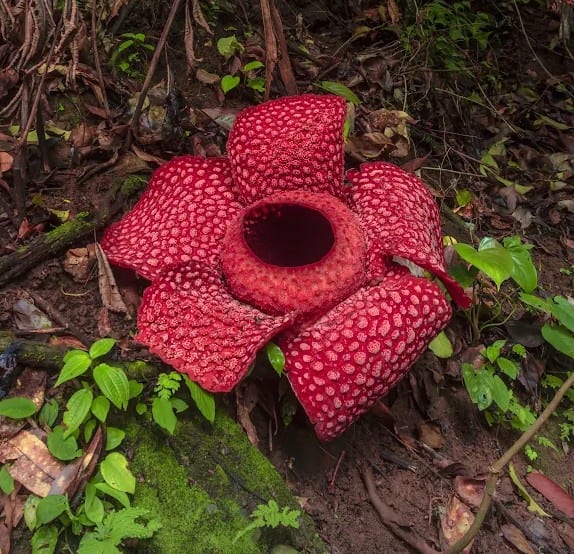
The Rafflesia arnoldii : rare, remarkable, and worth protecting.
Our emblem is the giant carrion flower: one of the world's largest and rarest blooms, found in Indonesia's forests. It embodies everything YKRI works to protect the extraordinary, fragile diversity that makes this archipelago unlike anywhere on Earth.